
A lien on your property is not the wall people think it is.
I hear some version of this regularly: I can’t sell, there’s a lien on the house. Almost always, that’s wrong. Liens get resolved as part of the closing, out of the sale proceeds, and the seller typically brings nothing to the table.
Here’s how it actually works, which liens are negotiable, and the one situation where a deal genuinely can’t be saved.
What Happens When You Sell a House With a Lien
In any normal transaction, the title company searches public records and runs name searches on the seller to identify anything recorded against the property or against you personally.
If a lien turns up, it becomes a line item. Someone has to pay it — buyer or seller — and that’s a negotiation like any other term. In most deals it comes out of the seller’s proceeds. The title company pays the lienholder at closing, and a lien release gets recorded.
You don’t write a check beforehand. You don’t clear it first and then sell. It’s handled inside the transaction.
A real example. About a year ago a woman in Pinellas County contacted me. She was in foreclosure, owed roughly $100,000 on the mortgage, and had a $10,000 lien on the house from a roof she’d had installed. She had no money to pay the lien and assumed that made selling impossible.
I offered $150,000. At closing, the mortgage payoff and the lien both came out of the proceeds, and she still walked away with money in her pocket. We closed in two weeks. The foreclosure was stopped, the roofer got paid, and she was genuinely grateful — mostly, I think, because she’d believed none of it was possible.
Money Liens vs Condition Liens in Florida
This distinction matters more than any other, and almost nobody explains it.
Money liens are exactly what they sound like. Somebody is owed a dollar amount. Pay it at closing, get a release, done. Mortgages, HOA dues, judgments, tax liens, contractor liens, utility bills.
Condition liens can’t be paid off. Code enforcement liens are about the state of the property, not a balance. You can’t hand the county money at closing and have it disappear.
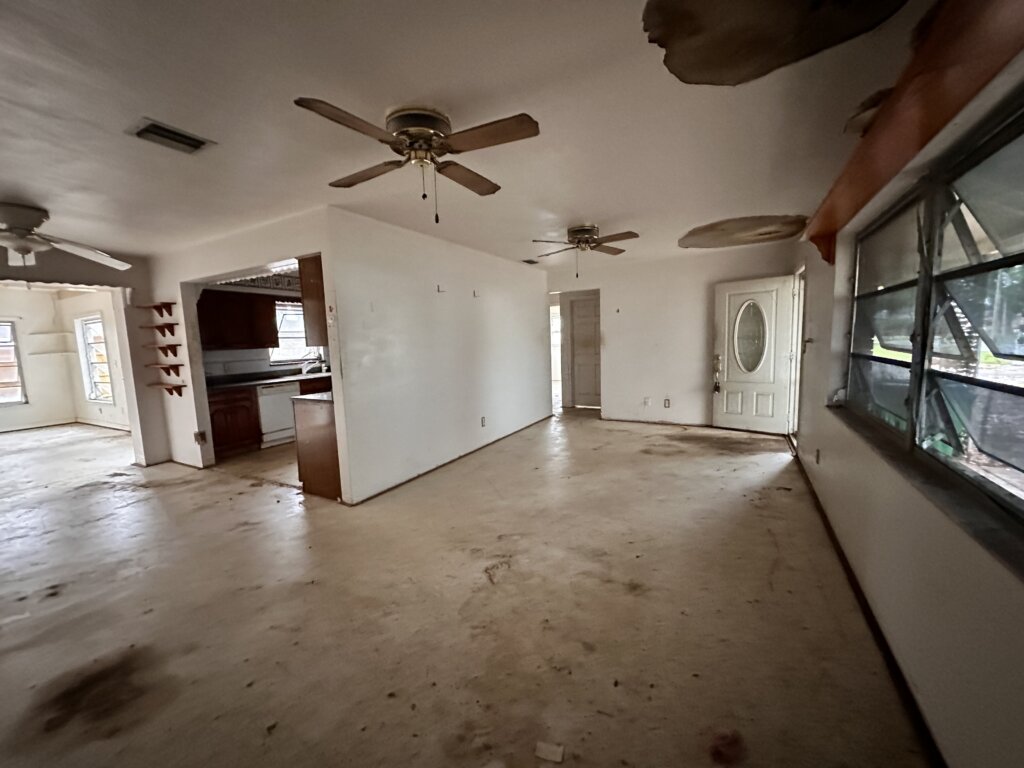
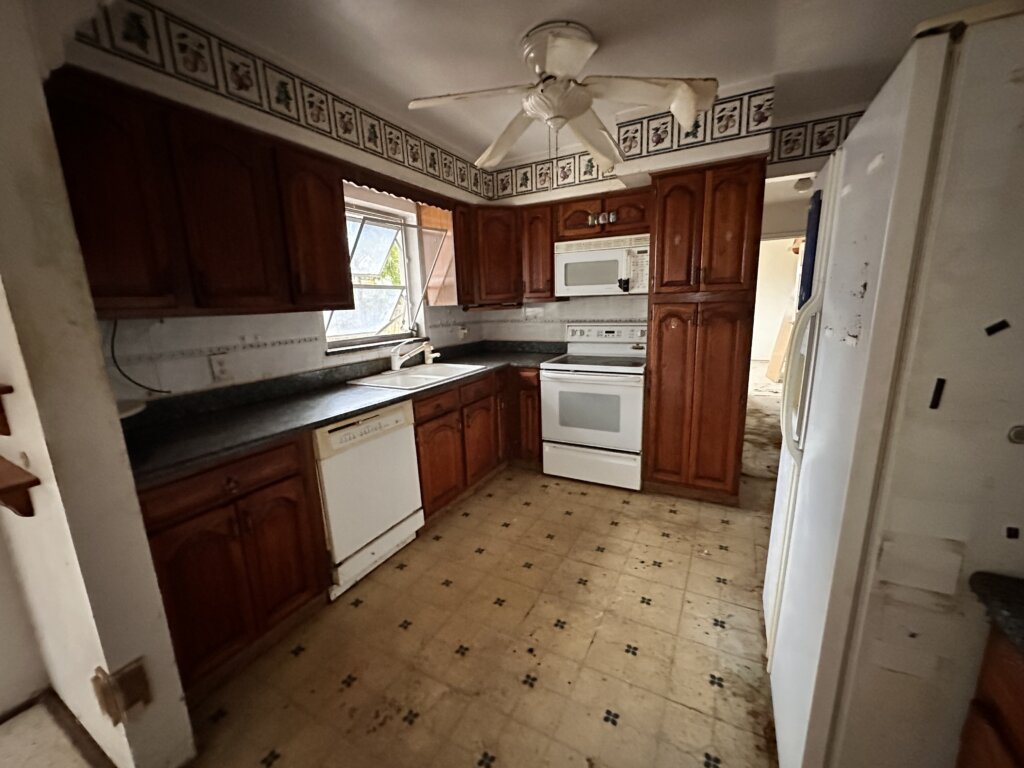
With a code violation, the process is different: the buyer takes the property with the lien still in place, fixes whatever the violation was, and then applies for a lien release after already owning it. I’ve done this several times. The usual causes are work that was started and never finished — a roof, a fence — or trash accumulating in the yard.
Here’s the useful part: counties are frequently willing to negotiate the fine itself. What they actually want is the violation corrected. Once they can see the work was done properly, the dollar amount is often negotiable.
Types of Liens That Can Be on a Florida Property
Code enforcement violations. The most common by far in Tampa Bay, and the most misunderstood.
Federal income tax liens. People owe the IRS. It comes out of proceeds at closing like anything else. Sometimes I can raise my offer to help absorb it — but only when the deal still works for me.
HOA liens. Straightforward. As long as my offer covers the payoff and still puts money in the seller’s pocket, it’s an easy close.
Municipal utility liens. Unpaid water or sewer bills. I’ve never seen a large one — usually under $1,000 — and they get paid at closing.
Judgment liens. These attach to the person, which is why the title company runs name searches rather than just a property search.
Contractor and construction liens. Sometimes for work performed. Sometimes not — more on that below.
Solar liens. Financed solar panels typically come with a UCC-1 fixture filing recorded against the property. I wrote about negotiating one of those down separately, because it’s a category of its own.
Why Are Homes With Liens Hard to Sell?
Partly because title can’t close until the lien is resolved, and partly because most buyers and plenty of agents simply don’t want to deal with them.
A financed buyer’s lender won’t fund a purchase with unresolved liens on title. A retail buyer sees a code violation and walks. And an agent who hasn’t handled one before doesn’t know whether it’s a two-week problem or a two-month problem, so the safe move is to avoid the listing entirely.
That’s the real reason these properties sit — not because the lien is unsolvable, but because most people in the transaction don’t know how to solve it.
Case Study: Selling a Property With Code Violations and Squatters
This is the most complicated lien situation I’ve handled, and it shows what’s possible.
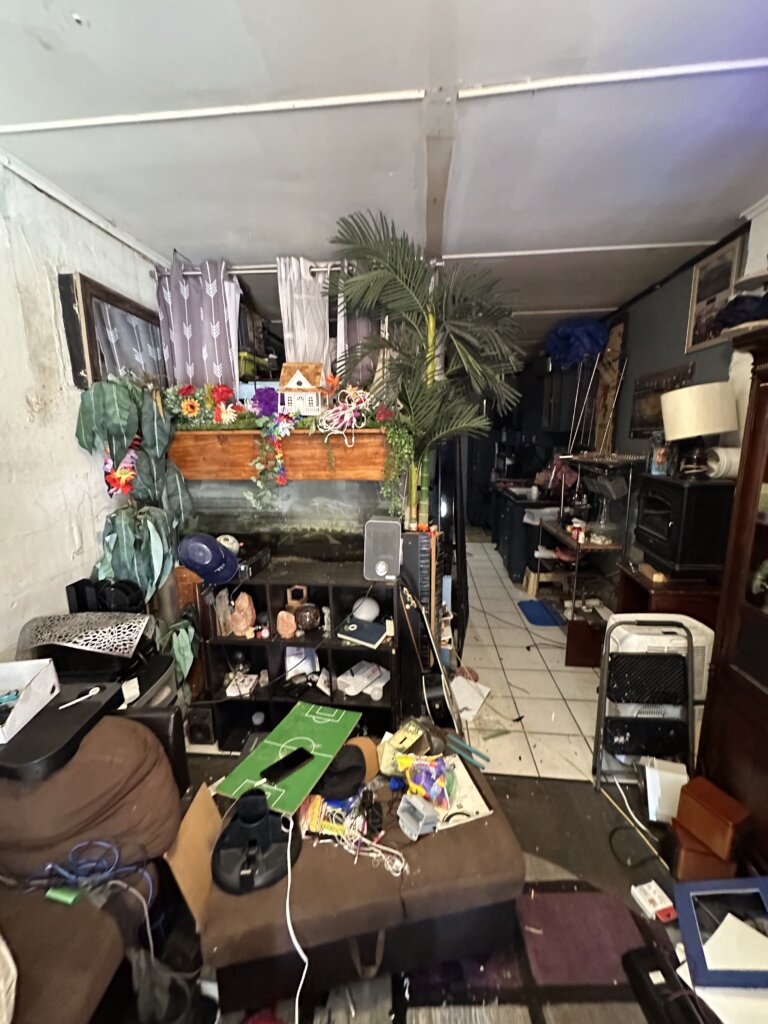
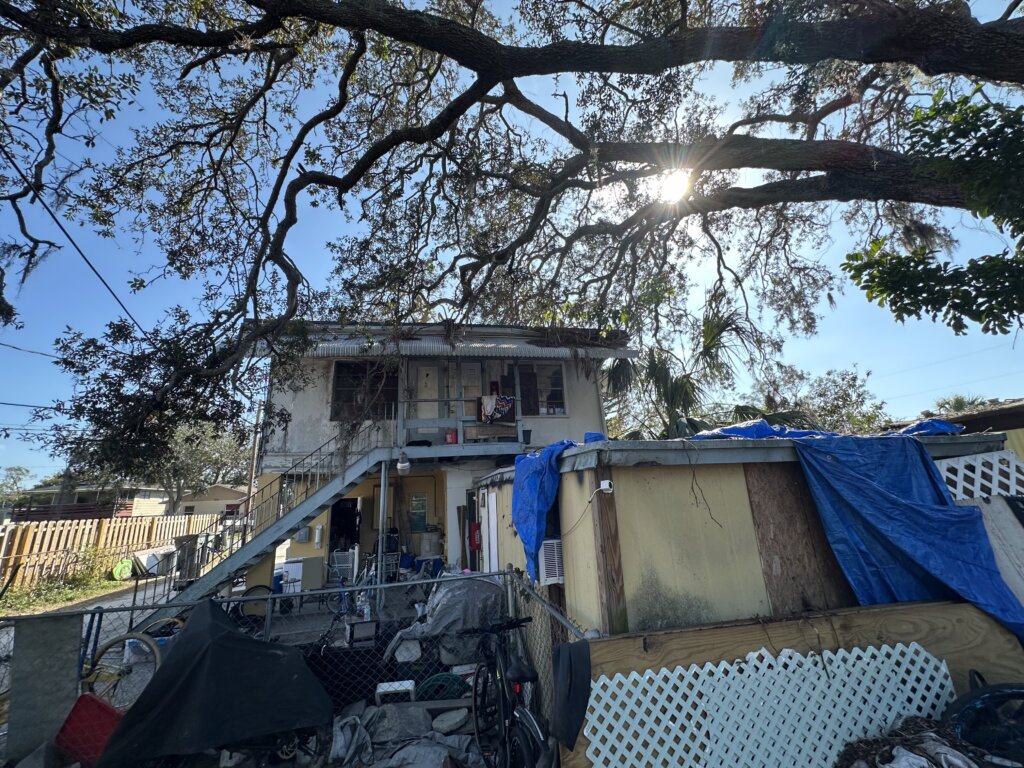
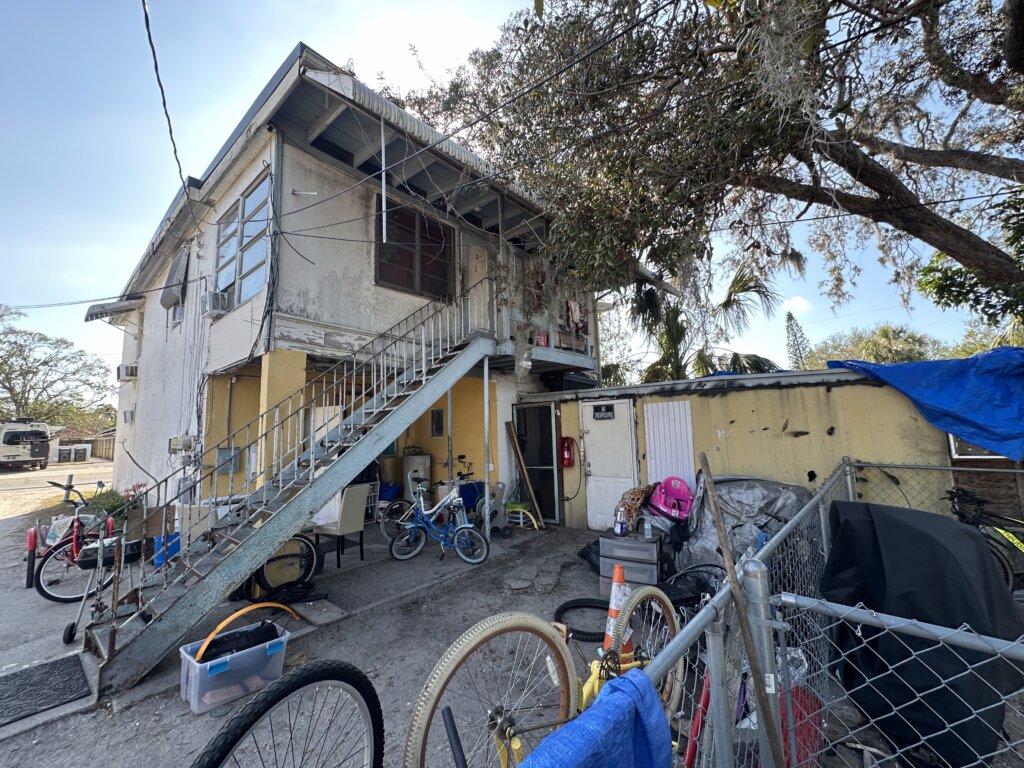
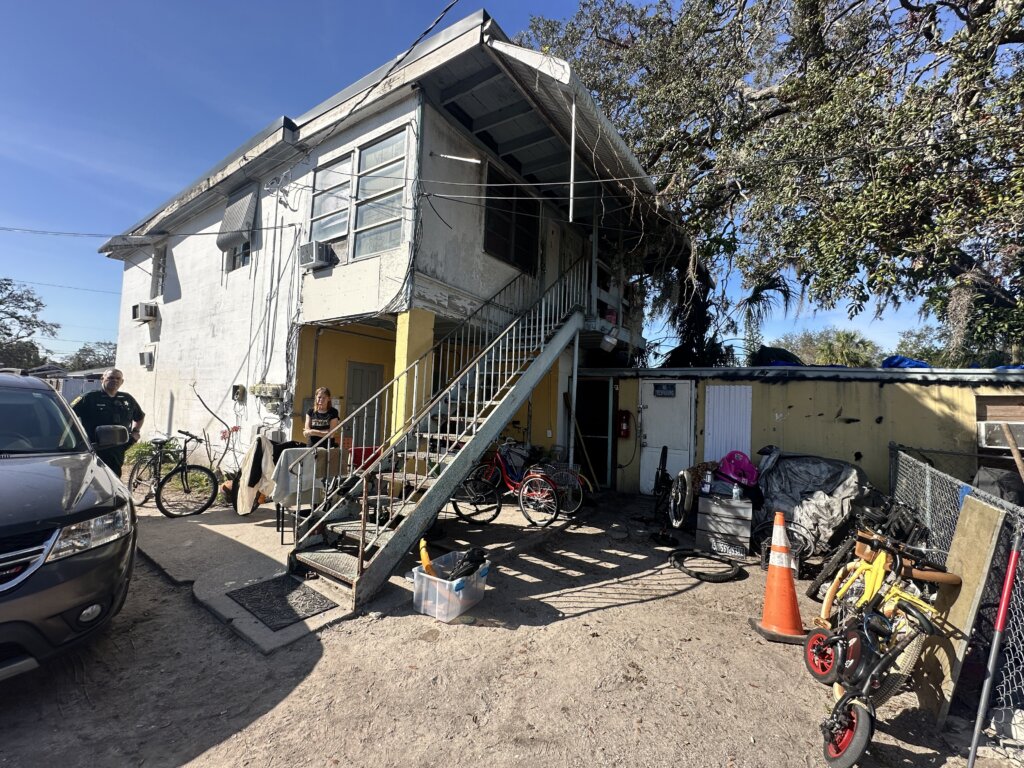
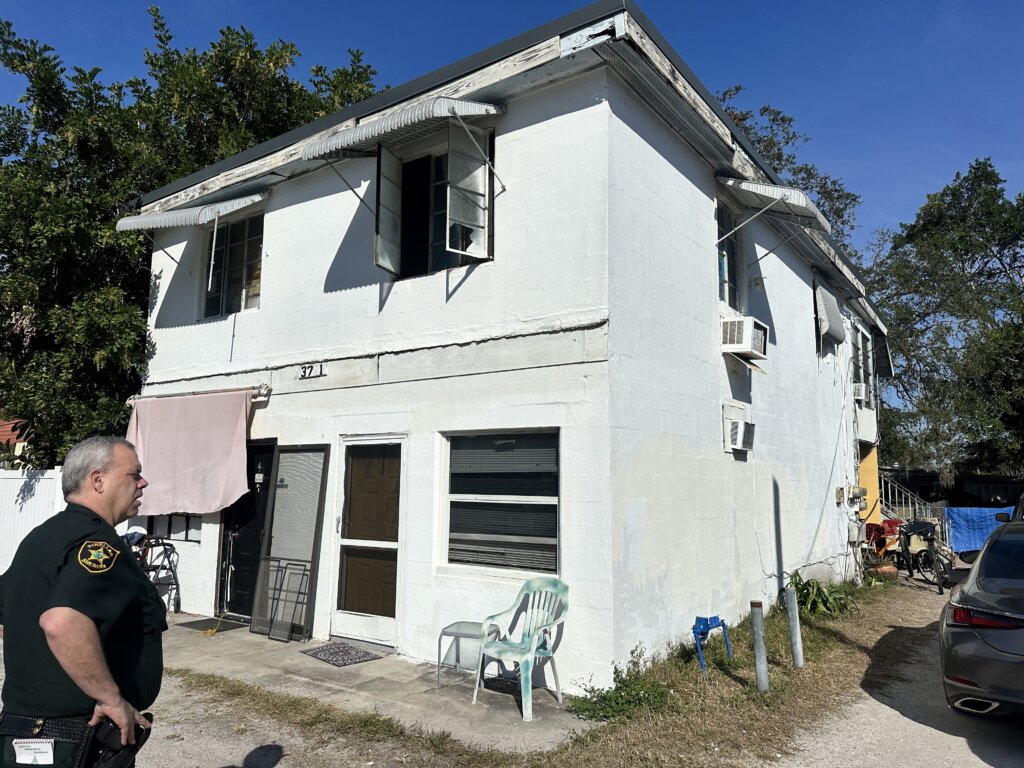
A woman inherited a triplex in St. Petersburg. She lived out of state. Her mother had been living in the property and renting out the other units. When her mother died, the property went into probate — and everyone living there stopped paying rent. I’m not certain they were all paying before, but they definitely weren’t after.
So the situation she inherited was: a property she’d never seen, full of people who weren’t paying, in a state she didn’t live in.
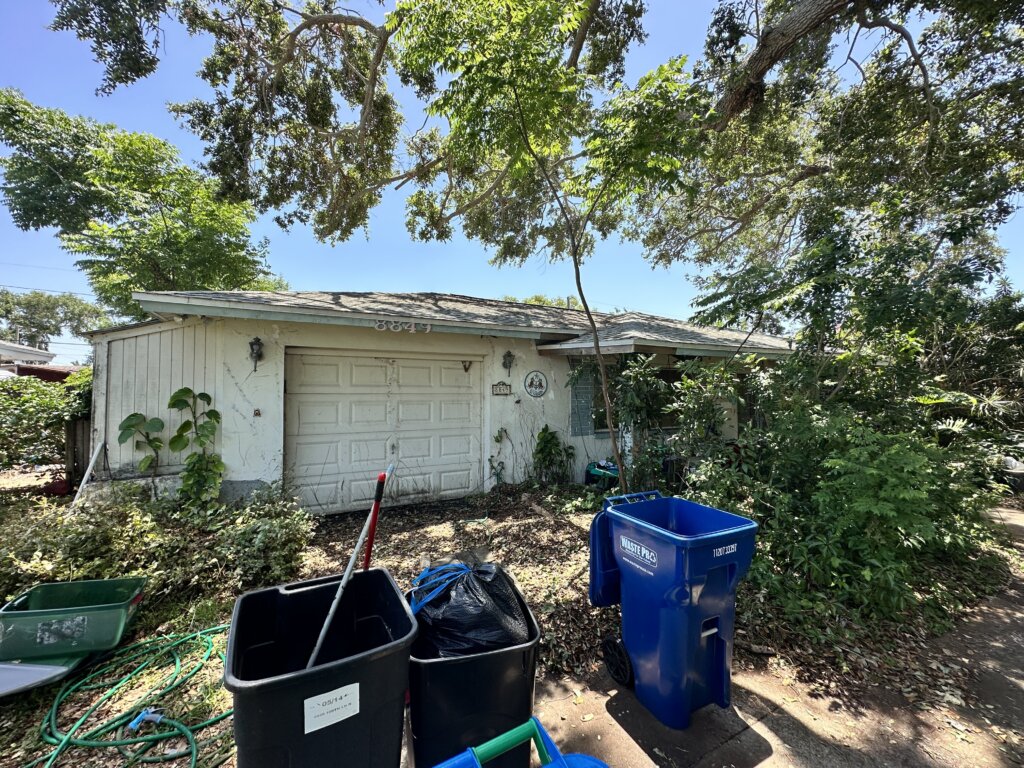
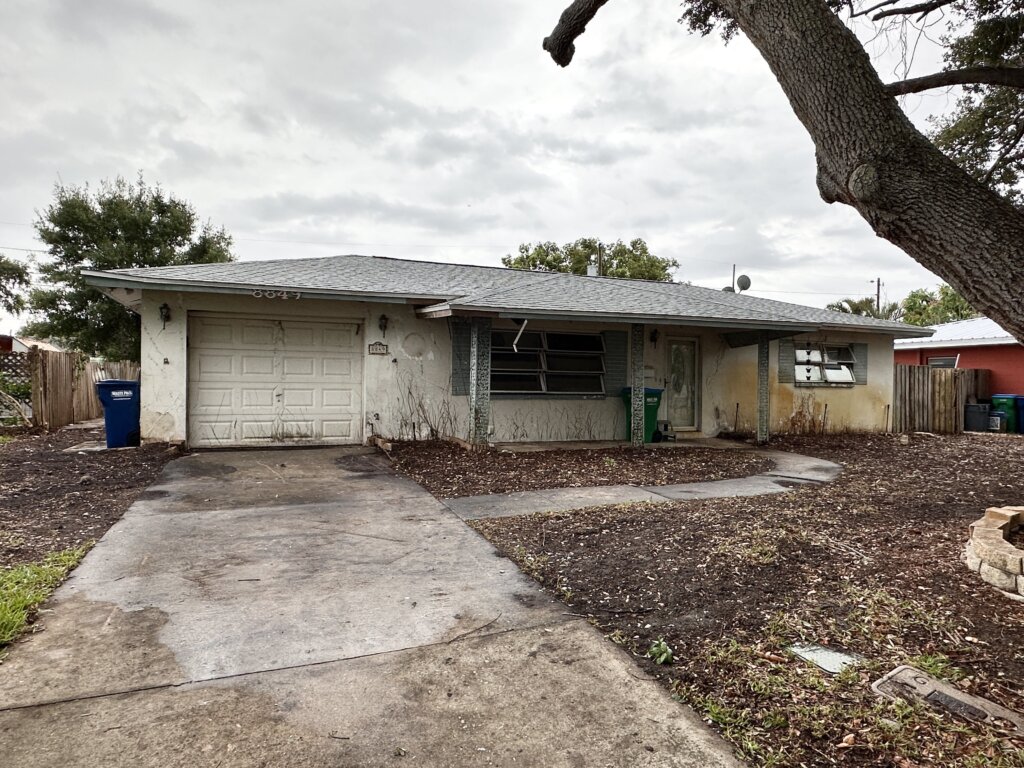
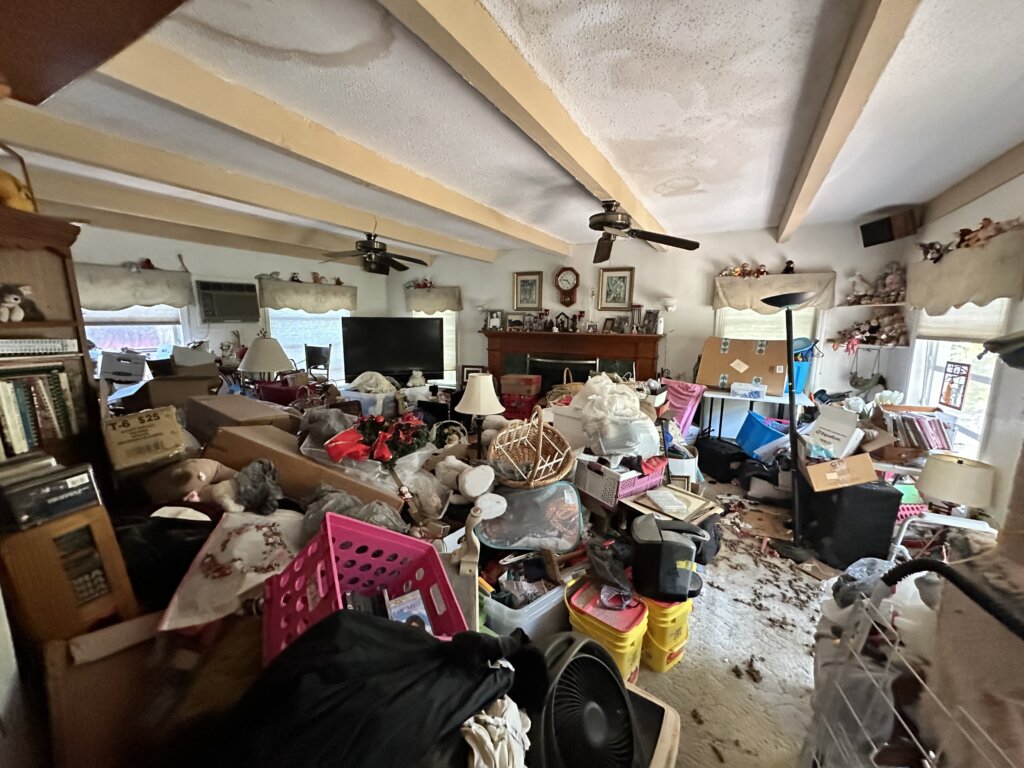
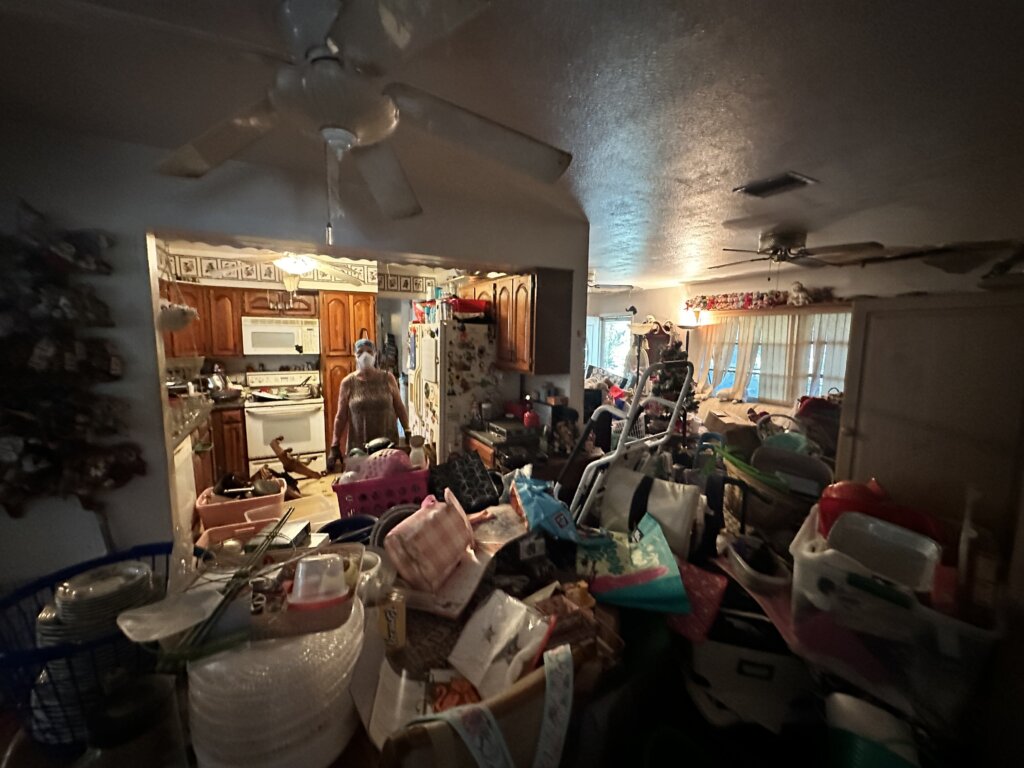
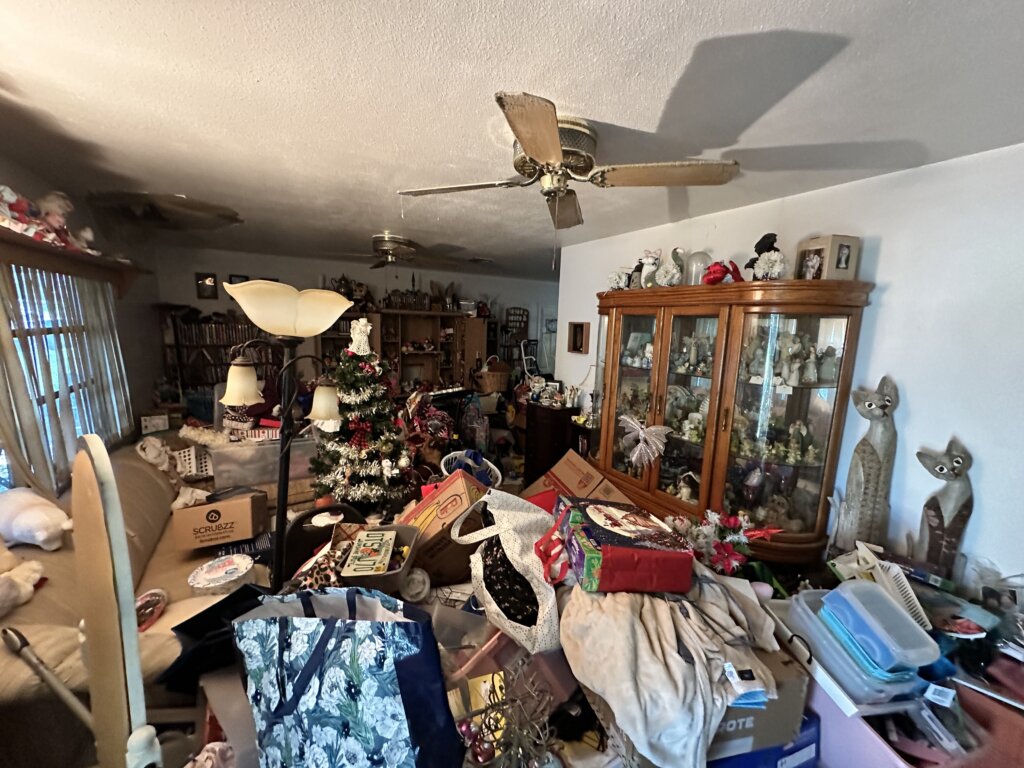
Meanwhile the violations piled up. Trash everywhere — it looked like a junkyard. Damaged roof. Multiple fire hazards flagged by Pinellas County Fire. She was receiving letters from the Pinellas County magistrate demanding she attend hearings, with fines threatened if she didn’t.
We negotiated a cash deal where I’d buy it with the tenants in place and with the code violations in place. What I didn’t want was fines continuing to accrue during the process, because that would make the deal more expensive for both of us.
So with her written authorization, I attended the magistrate hearings on her behalf. I emailed the county in advance explaining that we had a contract and I’d be representing the seller. At the hearing I laid out the plan: the new owner would evict the occupants and correct the violations as quickly as possible.
The magistrate granted us an additional 60 days — enough time to close and file evictions — and agreed no fines would accrue during that period. They assigned me a code enforcement officer, and I kept them updated at every step.
The seller wanted nothing to do with any of it. Filing evictions from out of state and rehabbing a house with mounting violations wasn’t something she was equipped for. She was happy to sell for cash and hand me the headache.
That’s what a lien situation looks like when someone actually works it.
Who Pays for a Lien Release, Buyer or Seller?
Usually the seller, out of proceeds. But it’s negotiable like every other term.
Sometimes I take the lien on as part of the purchase — I’ll buy a property with liens attached and deal with them myself. That makes sense when the numbers still work with the lien factored in, or when the lien is condition-based and can only be cleared by the new owner anyway.
If a seller is willing to give up some proceeds to make it happen, that works too. Most liens come down to money, and money is negotiable.
Can You Negotiate a Lien Payoff?
Two examples worth knowing about.
The solar lien. A seller in Pinellas County had a $25,000 lien for solar panels he thought were paid off. There was a foreclosure in the picture, which mattered — a foreclosure of the first mortgage generally wipes out junior liens, so the solar lender was looking at collecting nothing. I explained that math to them, opened at $1,000, and after a couple of weeks of back and forth we settled at roughly 60% off the original balance.
The window contractor. More recently I was working a probate in Bradenton. Before the mother died, she’d signed a contract with a window company to have her windows replaced. She signed, but no work was ever performed and no money changed hands. She died, and the contractor recorded a lien for the full contract amount — around $20,000.
The heir called the window company and pointed out the obvious: her mother was deceased, no work had been done, would they release the lien?
They agreed. All they asked for in exchange was a five-star Google review.
That one still makes me laugh, but the lesson is serious: a recorded lien is a claim, not a verdict. Claims can be questioned, and sometimes they don’t survive the question.
How Long Does a Lien Stay on a Property?
It depends on the type. Judgment liens in Florida are generally valid for a set period and can be renewed. Construction liens have strict recording and enforcement deadlines. Code enforcement liens persist until the violation is corrected and released. Tax obligations follow their own process entirely.
Two practical points:
Some liens outlive their enforceability. Old recordings sit on title long after the underlying claim has expired. Title work is what surfaces whether a lien is still live.
And if you own homestead property in Florida, be aware that the state constitution provides significant protection from certain judgment creditors. That doesn’t apply to mortgages, tax liens, or construction liens on the property itself, and the specifics matter — but it means some homeowners with old judgments have more freedom than they assume. Worth asking a real estate attorney about your particular situation.
What if the Liens Are Worth More Than The House?
There’s one scenario where none of this works: when the total owed exceeds what the property is worth.
I worked a probate where the heir had no idea her late sister’s mortgage hadn’t been paid in over a year. When title came back, there were two additional mortgages beyond the one foreclosing. The foreclosure named nine family members as defendants, so we had to run judgment searches on all nine — and three judgments came back.
Between three judgments, two extra mortgages, and the foreclosing first, there was no price I could pay that satisfied everything. The deal died and the house went to foreclosure about a month later.
That’s the real constraint. Not the existence of liens — the total dollar amount against the value.
How a Lien Against One Heir Affects Everyone
If you’re selling an inherited property with siblings, understand that a lien against any one heir can come out of everyone’s proceeds.
We bought a probate property in Tampa where four siblings were inheriting their father’s house. Our offer netted the group about $50,000. But one sibling had a substantial child support lien — and it was paid at closing out of the sale proceeds, which reduced what everyone received considerably.
The sibling with the lien wasn’t willing to cover it separately, so the other three effectively shared the burden. The sale closed, but the other siblings were not happy about it.
If you’re in a multi-heir situation, find out early whether any of you have judgments, child support obligations, or tax liens. It’s a much better conversation to have before a contract than at the closing table. Inherited property also carries its own tax considerations worth understanding before you sell.
How to Find Out What Liens Are on Your Property
Find out what’s actually recorded. Not what you remember — what’s on title. County official records are searchable, and a title company can pull a full search. You may find liens you didn’t know about, and you may find old ones no longer enforceable.
Get real numbers. The payoff amount, not an estimate.
Then compare it to the property’s value. That single comparison tells you whether you have a solvable problem or a genuinely stuck one.
And don’t assume the number is final. The solar lender took 60% less. The window company took a Google review.
If You Have a Lien on Your Tampa Bay Property
I buy houses with liens, back taxes, code violations, and title problems, and I’ll take a property with the violations in place and handle the county myself — as I did in St. Petersburg. I’m also a licensed agent, so if listing the property nets you more even after the payoffs, I’ll tell you that instead.
Either way, a lien is very rarely the reason a house can’t be sold.
Mike Youngblood A+ Home Buyers Tampa, FL (813) 200-7665
General information from deals I’ve handled, not legal advice. Lien priority and enforceability are fact-specific — talk to a real estate attorney about your situation.