
When two siblings inherited their father’s North Tampa home, they had no shortage of people wanting to buy it. What they didn’t have was anyone telling them what the house was actually worth.
Inheriting a House in North Tampa With No Plan to Keep It
About a year after their father passed, a brother and sister found themselves owning a 3-bedroom, 2-bath block home with a pool in North Tampa. The property was dated and needed cosmetic updates throughout, and the air conditioning unit was original — still running, but clearly near the end of its life.
The daughter lived locally. Every week she was driving to the house to clean the pool and keep the yard from getting out of control. Her brother lived in Nashville and couldn’t help with any of it. The property had become a recurring obligation neither of them wanted.
Like most people who inherit a house in Tampa, they were flooded with attention. She told us she’d received hundreds of cold calls and letters from investors offering to buy the property, sight unseen.
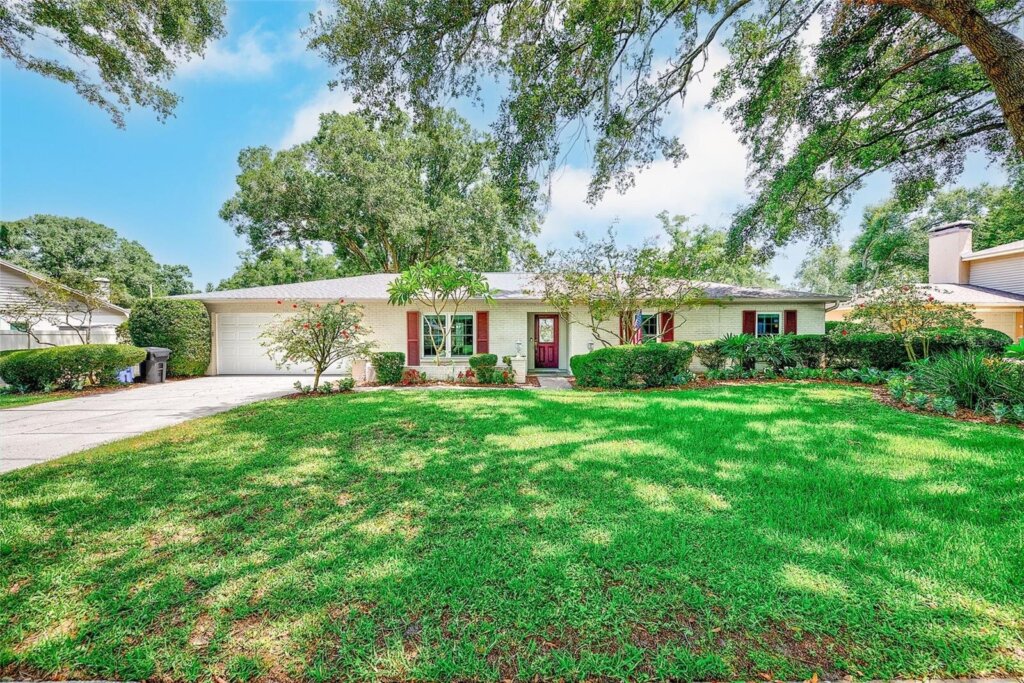
Should You Take A Cash Offer or List an Inherited House?
My wife called and, unlike the hundred other calls, actually had a conversation. The seller agreed to meet with us.
At that meeting I did something that surprises a lot of people: I told them not to take a cash offer, including mine.
I pulled the comparable sales for the neighborhood and showed both siblings what similar homes had recently sold for. The math was clear. Even accounting for commissions, repairs, and the time it takes to sell traditionally, listing the property on the open market would put significantly more money in their pockets than any as-is cash purchase.
I’m both an active cash buyer and a licensed real estate agent, which means I can look at a property both ways and give an honest recommendation. In this case the honest recommendation was to list it. They agreed, and I took the listing.
I also gave them one warning up front: that aging A/C unit was very likely to come up during inspection, and it probably wouldn’t pass a 4-point inspection — a requirement many Florida insurers have for older homes. Better to expect it than be blindsided by it.
Selling an Inherited Home for $15,000 Over Asking
The property went under contract in seven days at $15,000 over asking price, to a buyer using conventional financing.
Then came inspection, and two issues surfaced:
The air conditioning unit, exactly as predicted. The buyers requested replacement.
The septic system, which failed inspection. The buyers requested that be replaced as well.
For many probate sales, this is where deals fall apart. Heirs often don’t have cash sitting around to fund major repairs on a house they never planned to own, and asking them to pay out of pocket before closing can kill the transaction.
How an Escrow Holdback Saved the Closing
Because the sellers were getting considerably more than they’d expected, they agreed to make both repairs. The question was how to fund them without forcing the family to write large checks before they’d received any proceeds.
For the A/C, the sellers funded half the quoted cost before closing, with the remaining half paid at closing out of proceeds.
For the septic replacement, we structured an escrow holdback. Rather than completing and paying for the work before closing, the funds were withheld from the sellers’ proceeds at closing and held in escrow. The work is completed after closing, the contractor is paid from that account, and any remaining balance returns to the sellers.
The escrow holdback is an underused tool in Florida real estate transactions, and in this case it did two things: it kept the sellers from having to come out of pocket, and it allowed the sale to close on schedule rather than waiting weeks for a septic system to be installed.
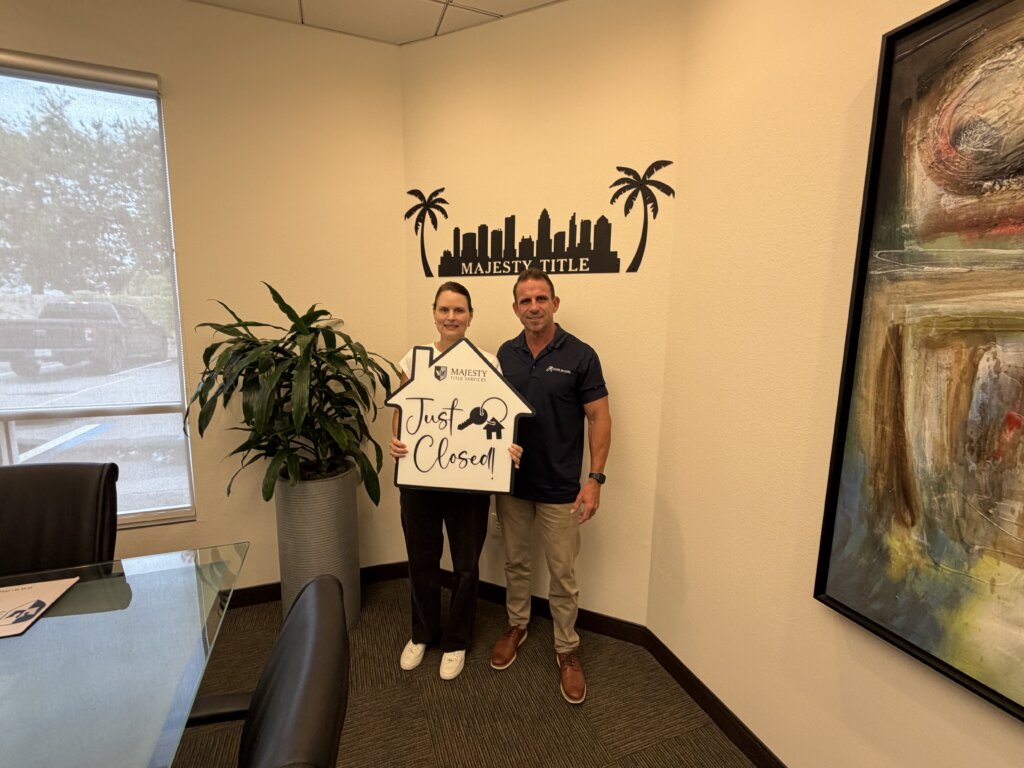
We closed in 30 days, on time. Both buyer and sellers were happy.
What to Know Before Selling an Inherited House in Florida
If you’ve inherited a house through probate in Hillsborough County or anywhere in Tampa Bay, you are going to get contacted. Constantly. Most of those contacts want to buy your property as-is at a discount, and for some situations that genuinely is the right answer — a house that needs a full renovation, a family that needs to be done quickly, an out-of-state heir who can’t manage a listing.
But it isn’t always the right answer, and you deserve to know which situation you’re actually in before you decide.
A few things worth understanding about selling an inherited home in Florida:
A 4-point inspection matters. Homes over roughly 30 years old often require one for the buyer to obtain insurance. It examines the roof, electrical, plumbing, and HVAC. An aging A/C or an old roof can complicate a financed sale.
Septic systems fail more often than people expect, particularly on properties that have sat vacant or under-used. It’s worth knowing the condition before you list.
Repairs don’t have to come out of your pocket. Escrow holdbacks, proceeds-funded repairs, and credits at closing are all standard tools for handling repair requests without heirs having to self-fund.
Probate status affects timing. Depending on where the estate is in the process and whether a personal representative has been appointed, your options and timeline may differ.
You will Owe Capital Gains Tax: but only on the increase in value since the date of death, not since your parents bought the house.
How to Compare a Cash Offer to a Listing
The single most useful thing you can do is find out what your inherited property is worth both ways — as an as-is cash sale and on the open market — before committing to either.
That’s what I do at no cost and no obligation. I’ll walk the property, run the comparable sales, and give you two numbers side by side along with an honest recommendation about which one nets you more. Sometimes that’s a cash offer. Sometimes, like with this North Tampa home, it’s listing it.
Either way, you’ll be making the decision with real information instead of guessing.
Mike Youngblood
A+ Home Buyers
Tampa, FL
(813) 200-7665