
There’s a problem that comes up constantly when buying homes from sellers in a tough spot, and almost nobody talks about it.
The seller needs to sell. The deal makes sense for both sides. But they can’t move out before closing — because moving costs money, and the money is tied up in the house they haven’t sold yet.
First and last month’s rent on a new place. A security deposit. A moving truck. Gas to get somewhere. For a seller who’s behind on their mortgage or facing foreclosure, that’s often several thousand dollars they simply don’t have until the sale actually closes. It’s a genuine catch-22: they can’t move until they close, and a buyer who requires a vacant property at closing can’t close until they move.
The tool that solves this is called a post-occupancy period with an escrow holdback, and we’ve used it on multiple deals.
What an Escrow Holdback Actually Is
An escrow holdback means that instead of the seller receiving all of their net proceeds at the closing table, the title company holds back a portion in an escrow account for a defined period.
Paired with a post-occupancy agreement — sometimes called a seller rent-back, leaseback, or post-closing occupancy agreement — it works like this:
- The sale closes on schedule. Title transfers, the buyer owns the property.
- The seller stays in the home for an agreed period after closing. In our deals that’s usually two weeks.
- The seller receives most of their proceeds at closing. We typically release about 80%.
- The title company holds roughly 20% in escrow.
- The seller moves out, hands over the keys, and we do a walkthrough.
- The escrowed funds are released immediately.
The seller walks away from the closing table with real money in hand — enough to put down a deposit, rent a truck, and get where they’re going. And they know exactly what they need to do to get the rest.
What Happens When You Skip the Escrow Holdback
Early on, we did a deal without one.
The seller told us they needed two weeks to vacate. We took them at their word, closed, and handed over the full proceeds.
Two weeks became two months. Eventually we had to file an eviction on a property we already owned — which costs money, takes time, and is an awful outcome for everyone involved, especially a seller who was already having a hard year.
It wasn’t malice. Moving is hard, life gets in the way, and without any structure or deadline attached, “two weeks” becomes aspirational.
The escrow holdback fixes this without anyone needing to be adversarial about it. It’s essentially an insurance policy for the buyer and a clear finish line for the seller. That remaining 20% is theirs — it’s their money, sitting in escrow with their name on it. They want it. So they move.
Since we started structuring deals this way, we have never had a seller fail to vacate on time.
How a Post-Occupancy Agreement is Structured
Post-occupancy period: typically 14 days from closing.
Holdback amount: approximately 20% of the seller’s net proceeds, held by the title company.
Per diem penalty: $100 per day for every day past the deadline, deducted from the holdback.
Release condition: seller vacates, hands over keys, buyer completes a walkthrough. Funds release immediately after.
Worth noting: we have never actually charged the per diem. Not once. The point of a per diem isn’t to collect it — it’s to make the deadline real. When both sides know there’s a defined consequence, the deadline tends to hold on its own.
What a Post-Occupancy Agreement Should Include
If you’re a seller being offered a post-occupancy arrangement, or an agent structuring one, these are the terms that should be spelled out in writing:
- The exact move-out date, not a vague window
- The holdback amount and where it’s held (title company escrow, not the buyer’s account)
- What triggers release of the funds
- Any per diem or holdover penalty
- Who pays utilities during the occupancy period
- Insurance responsibilities — the buyer now owns the property, but the seller’s belongings are still in it
- Access rights for the buyer to perform the walkthrough
- Condition standards — the home should be left in the same condition, minus the seller’s belongings
Some agreements structure the seller’s occupancy as rent based on the buyer’s daily carrying costs. In our deals we generally don’t charge rent for a short window — the goal is getting the seller relocated, not squeezing two weeks of rent out of someone who’s already stretched.
Why Cash Buyers Can Offer Longer Post-Occupancy Periods
This is a real structural advantage, and it’s worth understanding if you’re weighing a cash sale against listing.
When a buyer is using conventional financing on a primary residence, their lender imposes occupancy requirements. Post-closing rent-backs are typically capped around 60 days, and longer arrangements can push the loan into investment-property classification — which changes the buyer’s terms or kills the loan entirely. That makes financed buyers cautious about occupancy agreements, and many simply won’t do them.
A cash buyer has no lender to answer to. We can structure the occupancy period around what the seller actually needs.
That flexibility is one of several factors worth weighing when you compare a cash offer against listing.
Escrow Holdback Example: A Seller Relocating Out of State
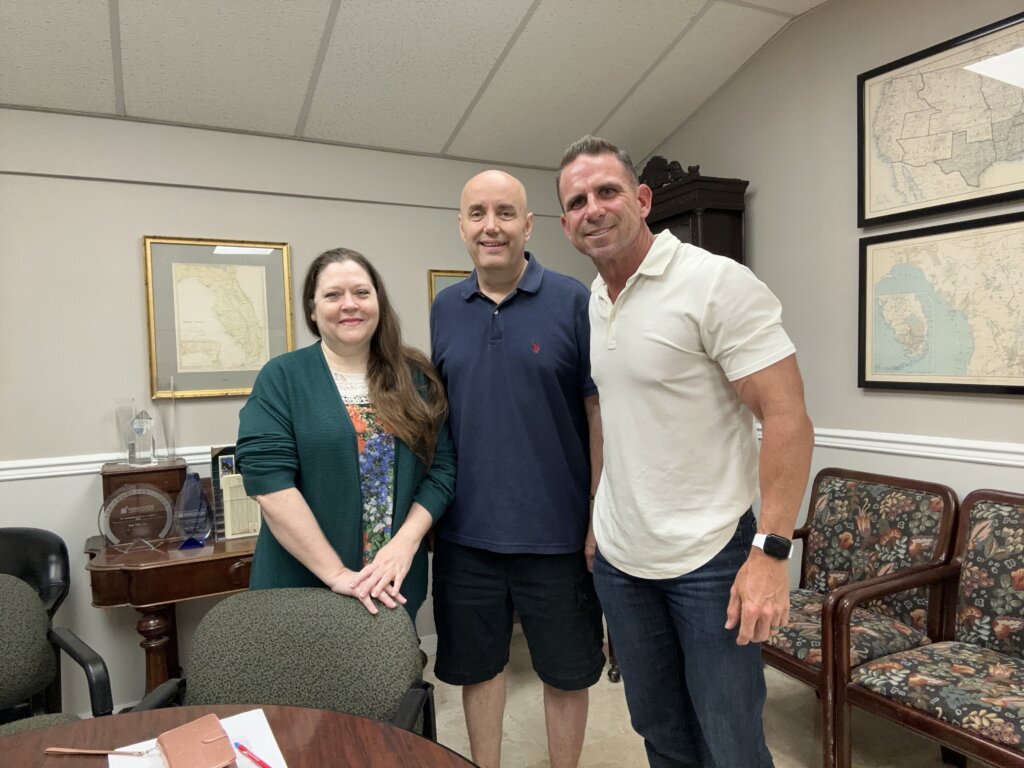
Here’s how one seller described the experience, in their own words:
“We were so fortunate to work with Mike at A+ Home Buyers. Honestly, losing your home can be embarrassing and yes, traumatic. But Mike and his team were focused on solutions vs judgements about how it came to be. They closed the house in I think 10 days and the only reason it took that long was the bank NOT them.
They were fair with their offer to us and even renegotiated based on how much of a budget we knew we would have to have to move to Iowa. They even gave us 15 days to get our stuff packed up and downsized for the trip. They just kept a certain portion of the total proceeds we were to get in escrow until a walk through by Mike and then the funds are released immediately. I think this is a fair trade off.”
That’s the whole idea in one paragraph. They were moving to Iowa. That takes money, and it takes time. The structure gave them both, and we still closed on schedule.
Selling a House When You Can’t Afford to Move Out
If you’re selling a house and the honest obstacle is that you can’t afford to move before closing, say so. It is one of the most common situations we deal with and it is completely solvable.
What you should not do is agree to a closing date you know you can’t meet and hope it works out. That’s how deals fall apart at the last minute, and it’s how sellers end up in worse positions than they started.
A post-occupancy period with an escrow holdback is a standard, fair structure. You get the bulk of your proceeds at closing to fund the move, you get a realistic window to actually move, and you get the rest when you’re out.
We buy houses across Tampa Bay in any condition and any situation, and we’re glad to structure the timeline around what you actually need. If listing the property would net you more than a cash offer, I’m also a licensed agent and I’ll tell you that instead.
Either way, needing time to move is not a reason a sale can’t happen.
Mike Youngblood A+ Home Buyers Tampa, FL (813) 291-3113